General Information
Chemical & Physical Properties
Safety Information
Synthetic Route
| Common Names |
Tolyltriazole|1H-Benzotriazole, 4(or 5)-methyl- |
| Structure |
N/A |
| CAS No. |
29385-43-1 |
Boiling Point (℃) |
360.6±11.0 °C at 760 mmHg |
| Molecular Weight |
133.151 |
Melting Point (℃) |
76-87°C |
| Appearance |
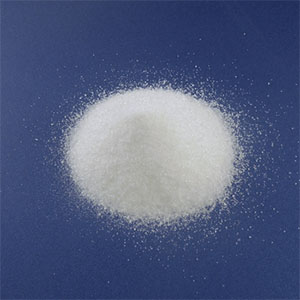
White or light yellow granular |
Vapor Specific Gravity |
N/A |
| HS Code |
N/A |
Flash Point (℃) |
181.5±12.2 °C |
| Solubility |
Water: 18ºC, < 0.01g/100mL, soluble in methanol, acetone, cyclohexane, ether, etc |
Autoignition Temperature (℃) |
N/A |
| Safety Phrases |
S22-S36/37/39 |
| RIDADR |
N/A |
| WGK Germany |
N/A |
| Packaging Group |
N/A |
| Hazard Class |
N/A |
|
SYMPTOMS |
PREVENTION |
FIRST AID |
| Inhalation |
Cough. Sore throat. |
Use local exhaust or breathing protection. |
Fresh air, rest. |
| Skin |
Redness. Burning sensation. Itching. |
Protective gloves. |
Remove contaminated clothes. Rinse and then wash skin with water and soap. |
| Eyes |
Redness. Pain. |
Wear safety goggles. |
First rinse with plenty of water for several minutes (remove contact lenses if easily
possible), then refer for medical attention. |
| Ingestion |
Abdominal pain. Nausea. Vomiting. |
Do not eat, drink, or smoke during work. Wash hands before eating. |
Rinse mouth. Induce vomiting (ONLY IN CONSCIOUS PERSONS!). Refer for medical attention. |
The preparation method of methylbenzotriazole is similar to BTA, and the classic method in industry is
toluenediamine diazotization and cyclization in acetic acid to obtain BTA, and most manufacturers still
adopt this synthetic route. The mixture of 2,3-methyl-o-phenylenediamine and
3,4-methyl-o-phenylenediamine was dissolved in an aqueous solution of acetic acid at 40~50 °C, and
cooled to about 5 °C. Add sodium nitrite solution with a content of 40% to complete diazotization. Then
raise the temperature to 80~90 °C to complete the closed-loop reaction. The oil layer containing
methylbenzotriazole is separated from the water layer containing acetic acid, the oil layer is extracted
with organic solvent, the extract is distilled under atmospheric pressure to remove the solvent, the
crude methylbenzotriazole is recovered under reduced pressure distillation, and then refined by
recrystallization method, and vacuum dried at 45~50 °C to obtain purer methylbenzotriazole. There are
also after the completion of the closed-loop reaction, without the separation of the oil layer and water
layer, directly add sodium hydroxide solution, after coke, diatomaceous earth and sodium dithionite
filtration, with 40% ~ 75% nitric acid or 20% ~ 25% hydrochloric acid to adjust the PH value to 5 ~ 5.5,
the precipitate is filtered, washed and dried, and a purer methylbenzotriazole can be prepared. There is
also a method of using methyl-o-phenylenediamine and ethylhexyl nitrite as raw materials and
ethylhexanol as solvent to prepare purer methylbenzotriazole without rectification and refining.
Frequently Asked Questions
What is Tolyltriazole?
This product is referred to as TTA, which is a pure white granule or powder. It is mainly used as an
antirust and corrosion inhibitor for metals (such as silver, copper, lead, nickel, zinc, etc.), and is
widely used in antirust oil (grease) products. It is also widely used as gas-phase corrosion inhibitor
of copper and copper alloy, lubricating oil additive, circulating water treatment agent, and automobile
antifreeze. This product can also be used in conjunction with various scale inhibitors and bactericides
and algicides, especially for closed circulation cooling water systems with excellent corrosion
inhibition effects.
The usage?
First, dissolved with alcohol or alkali, then added into circulating water system, the dosage of
2-10mg/L is preferred. If the metal is badly corroded, 5-10 times of normal dosage should be expected.